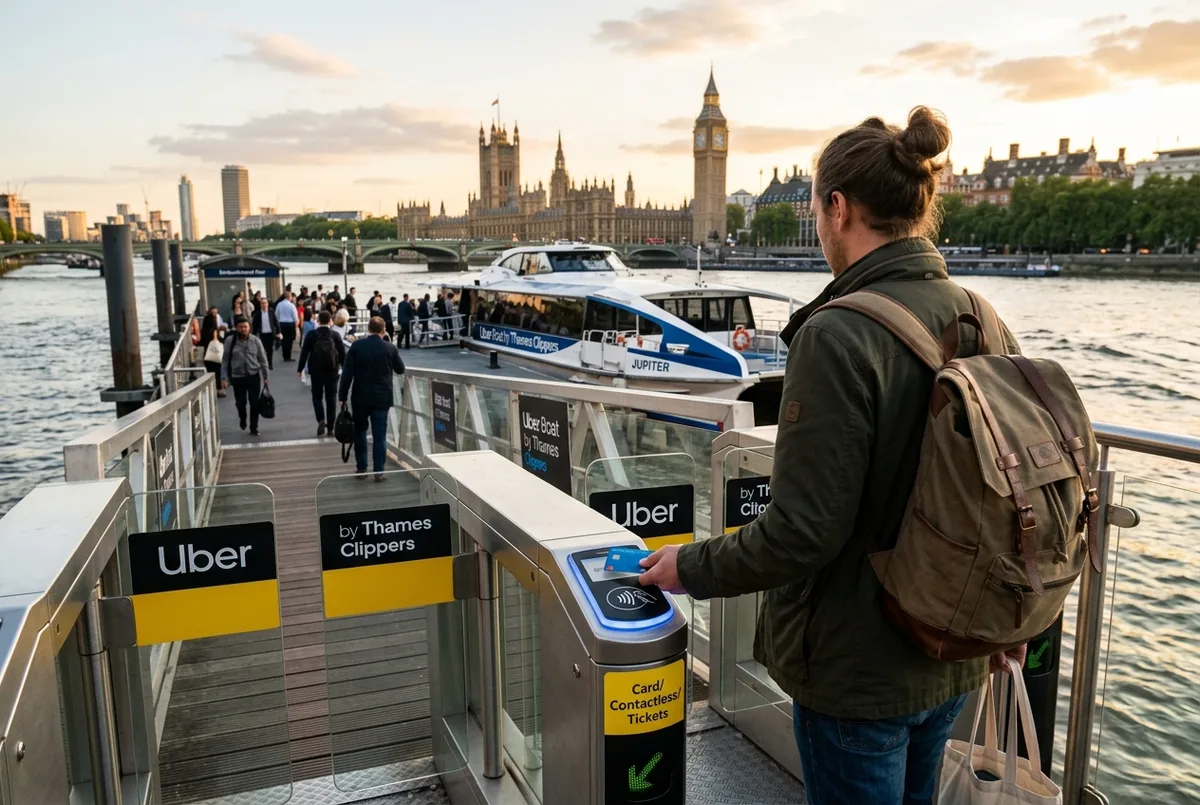
Uber boat tickets are priced by zone rather than as one flat fare, so what you pay depends on how far along the Thames you’re traveling, not which specific boat you board. Here’s what I’d actually tell you before you buy one: a single zone-based fare suits a one-off trip, while a day pass makes more sense if you’re hopping on and off at several piers.
I’ll go through how the fare structure actually works, what a single fare versus a day pass gets you, and the one comparison I think matters most here: how this river bus ticket stacks up against a dedicated sightseeing cruise ticket if your actual goal is the view rather than the journey.
How Are Uber Boat Tickets Priced?
By zone. The network divides the river into fare zones, and the price of a single journey depends on how many zones you cross, similar to how Tube and bus fares work across the rest of London’s transport network. A short hop between two adjacent piers costs less than a long run across the full network.
I’d check the current zone fare chart on the operator’s own app or site before you travel, since this is exactly the kind of number that updates periodically and I’d rather send you to the live source than quote a figure that’s gone stale.
What’s the Difference Between a Single Fare and a Day Pass?
A single fare covers one journey between two piers. An unlimited day rider ticket covers as many journeys as you want across the whole network for a full day, which works out cheaper if you’re planning to hop on and off at three or more piers rather than taking one straight trip.
I’d do the quick math before you buy: if your day only involves one journey each way, two single fares, there and back, are usually cheaper than a day pass. If you’re adding a third or fourth stop, the day pass starts to pay for itself.
Yes, and for most riders I’d actually recommend it over buying a separate paper or app ticket. Oyster and contactless pay as you go are both accepted, charged at the standard zone fare, and a valid Travelcard typically earns a discount off that fare, the same way Travelcard discounts work elsewhere on London’s transport network.
I’d tap in and out with whatever card you’re already using for the Tube and buses, rather than juggling a separate ticket type just for this one service.
Is There a Discount for Children?
Children typically travel at a reduced fare, in line with how discounted child fares work across the rest of London’s transport network, and very young children often travel free when accompanied by a fare-paying adult. I’d confirm the current age brackets and child fare on the operator’s own fare page before you travel, since these terms can shift.
I’d book the child fare through the same app or card you’re using for the adults in your group rather than assuming a separate booking process is needed.
Should You Buy Tickets in Advance or at the Pier?
Either works, but I’d buy through the app in advance if you already know your route, since it saves time at a busy pier during peak commuter hours. Buying at the pier works fine for an occasional, unplanned trip, though you’ll want to check the live departure board regardless, since the operator doesn’t run a fixed clock timetable at every stop.
I’d download the app before your trip specifically for this reason: live departure times matter more on this service than the printed schedule does, since river conditions can shift actual sailing times slightly.
No. This is a straightforward point to point transport ticket. There’s no guide narrating the Houses of Parliament or Tower Bridge as you pass them, and no planned stops built in for photos. You’re paying for the journey itself, not a sightseeing experience layered on top of it.
I’d keep this firmly in mind before you buy if sightseeing is actually your priority. The ticket is excellent value for transport and genuinely poor value if you were hoping for a guided tour.
How Does This Compare to a Thames Sightseeing Cruise Ticket?
Quite differently in both price and purpose. My Thames river cruise tickets and prices guide covers the sightseeing side: a dedicated ticket with live commentary, a scenic route built for the view, and a fixed sailing rather than a point to point hop. An Uber Boat fare, by contrast, is priced purely for the distance traveled, with no sightseeing value built into the ticket itself.
I’d buy the sightseeing ticket if seeing the river properly is the actual goal, and the Uber Boat fare if you genuinely just need to get from one pier to another. Pricing one against the other as if they’re the same product is where I think most people go wrong on this comparison.
Is the Day Pass Worth It for a Tourist Doing Sightseeing by River Bus?
Sometimes, but I’d think carefully before relying on it as your main sightseeing tool. If your plan involves hopping off at the London Eye, then Tower Bridge, then Greenwich, a day pass covers that nicely and cheaply. What it won’t give you is commentary explaining any of those landmarks as you pass them between stops.
I’d pair a day pass with some of your own research on what you’re seeing, or honestly just book a proper hop-on hop-off sightseeing cruise instead, since that ticket is built specifically for exactly this kind of multi-stop sightseeing day, commentary included.
What’s the Cheapest Way to Ride Uber Boat for a Single Trip?
A single zone fare paid with Oyster or contactless pay as you go, using the shortest route between your start and end pier rather than a route that loops through extra zones unnecessarily. My fares and zones guide goes deeper into exactly how the zone boundaries work.
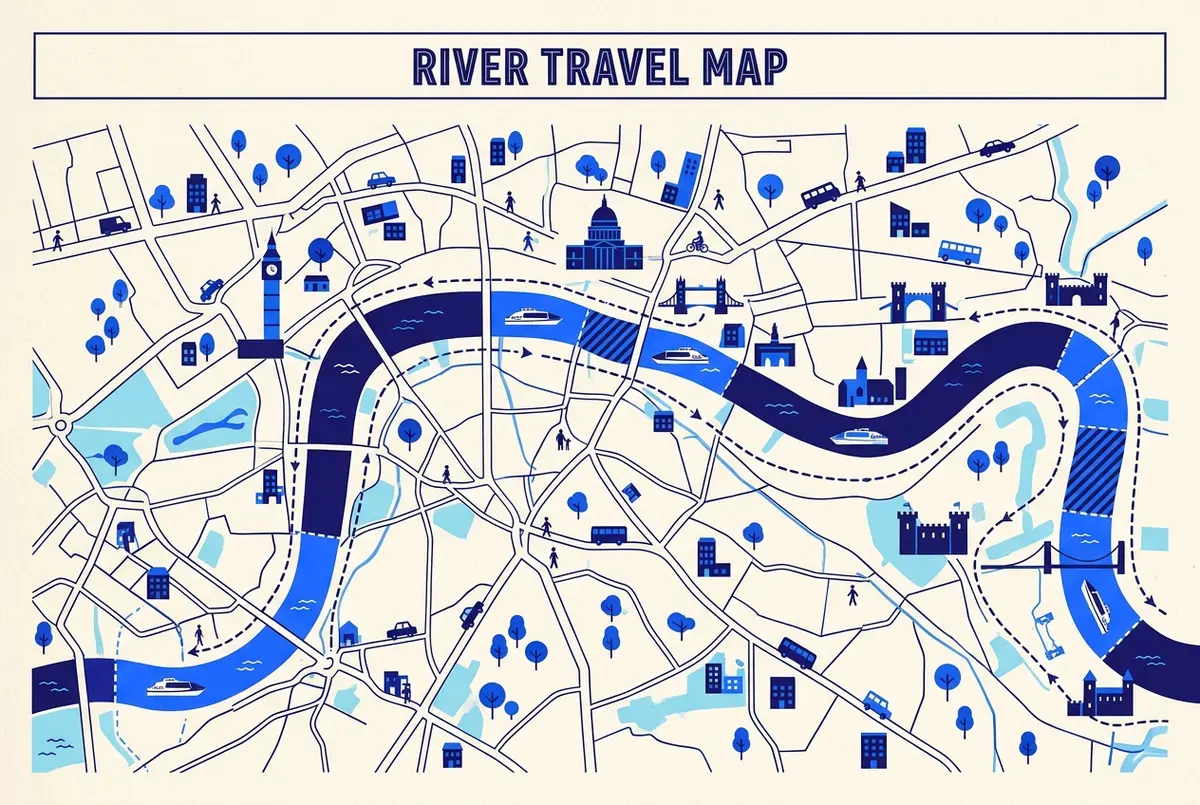
I’d check the pier map before buying to confirm you’re not accidentally paying for more zones than your actual journey needs, since the fare is genuinely tied to distance travelled.
Do Prices Change by Time of Day or Season?
The underlying zone fares don’t typically shift by time of day the way some transport pricing does elsewhere, so a morning commute and an evening trip across the same zones generally cost the same. What does change seasonally is frequency rather than price: expect more sailings during peak commuter hours and in the busier summer tourist months, and fewer off-peak and in winter.
I’d plan around frequency more than price if you’re traveling outside peak hours, since a longer wait between boats affects your day more than a fare difference would.
My Honest Recommendation
Buy a single zone fare with Oyster or contactless pay as you go for a one-off trip, and only step up to a day pass if you’re genuinely planning three or more stops across the network in one day. If sightseeing, not transport, is actually what you’re after, I’d skip this ticket entirely and book a dedicated Thames sightseeing cruise instead, since that’s the product actually built for the job. My Uber Boat by Thames Clippers overview covers the service in full if you’re still working out whether this is even the right ticket for your trip, and my Thames Clippers versus sightseeing cruise comparison walks through that exact decision. Transport for London’s own page on river services carries the current, authoritative fare chart. You can compare today’s London boat tour tickets if sightseeing turns out to be the real plan.
Frequently Asked Questions
How much does a single Uber Boat ticket cost?
It’s priced by zone, so the fare depends on how far you’re traveling. I’d check the operator’s current zone fare chart before you travel, since the exact figure updates periodically.
Is a day pass cheaper than buying single fares?
Only if you’re making three or more journeys in a day. For one trip there and back, two single fares are usually cheaper.
Can I use my Oyster card instead of buying a separate ticket?
Yes, Oyster and contactless pay as you go are accepted at the standard zone fare, with a discount for valid Travelcard holders.
Does the ticket include a guide or commentary?
No. It’s a point to point transport ticket with no narrated sightseeing built in.
Is it cheaper than a Thames sightseeing cruise ticket?
Often yes for a short single journey, but it’s a different product entirely, with no commentary or scenic routing included.